 Harry
Harry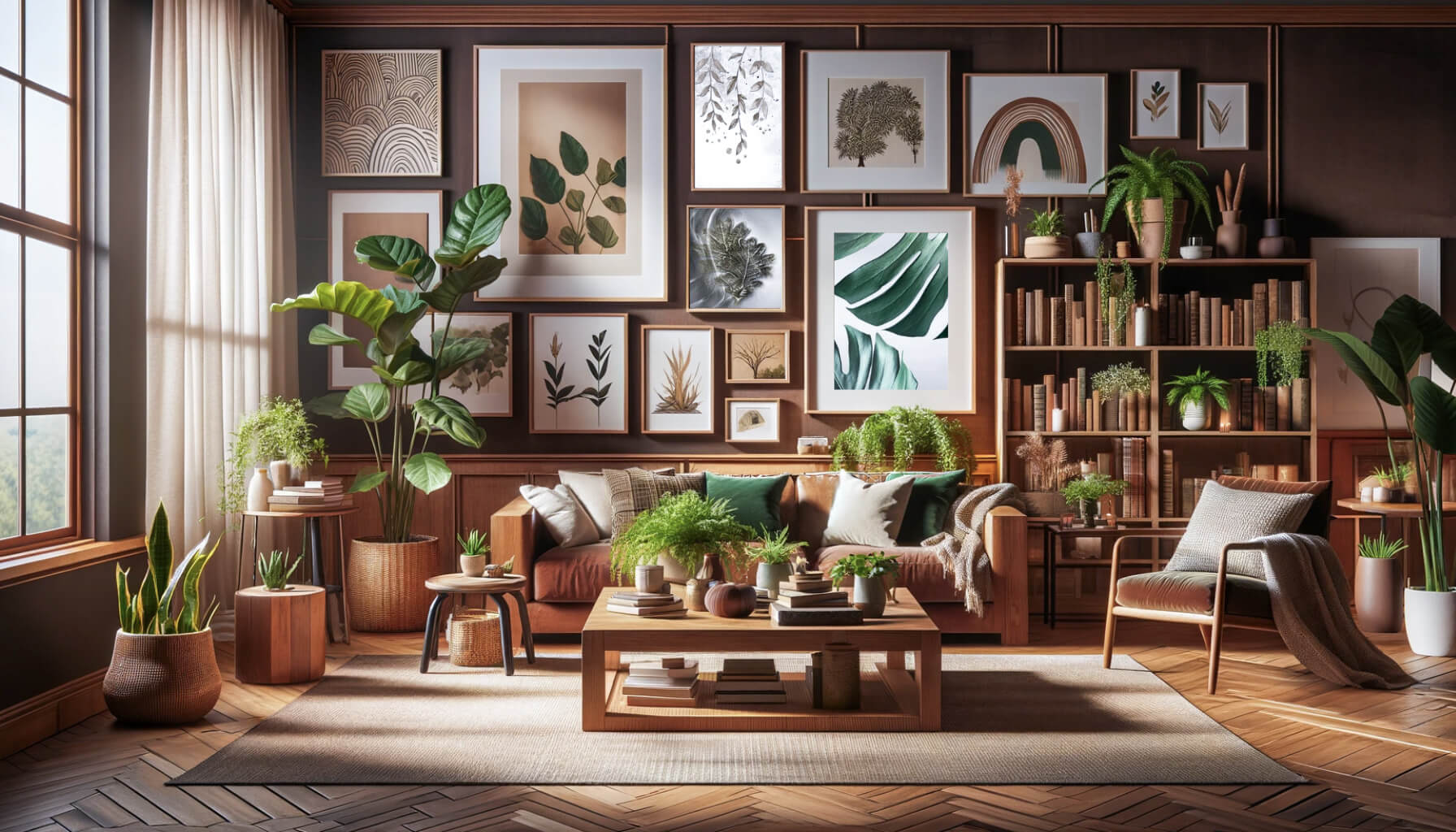
Modern life often feels fast paced and overwhelming, making the home more important than ever as a place for comfort and relaxation. Many people are now looking for ways to create interiors that feel calm, balanced, and connected to nature. One of the most effective ways to achieve this is by using natural materials in home design.
Natural elements such as wood, stone, cotton, linen, bamboo, and clay bring warmth and authenticity into a space. Unlike overly artificial interiors, homes designed with natural materials often feel more peaceful and emotionally comforting.
Why Natural Materials Influence Mood?
The materials used inside a home have a strong impact on how a space feels. Artificial textures and harsh finishes can sometimes create a cold or overly polished atmosphere, while natural materials create softness and warmth.
Wooden furniture, woven fabrics, and earthy tones help people feel more relaxed because they reflect the textures and colors found in nature. This connection to the natural world has a calming effect on the mind and body.
Even people who regularly follow entertainment news Australia often notice how modern home design trends increasingly focus on organic textures and natural interiors to create more comfortable living environments.
Wood Creates Warmth And Comfort
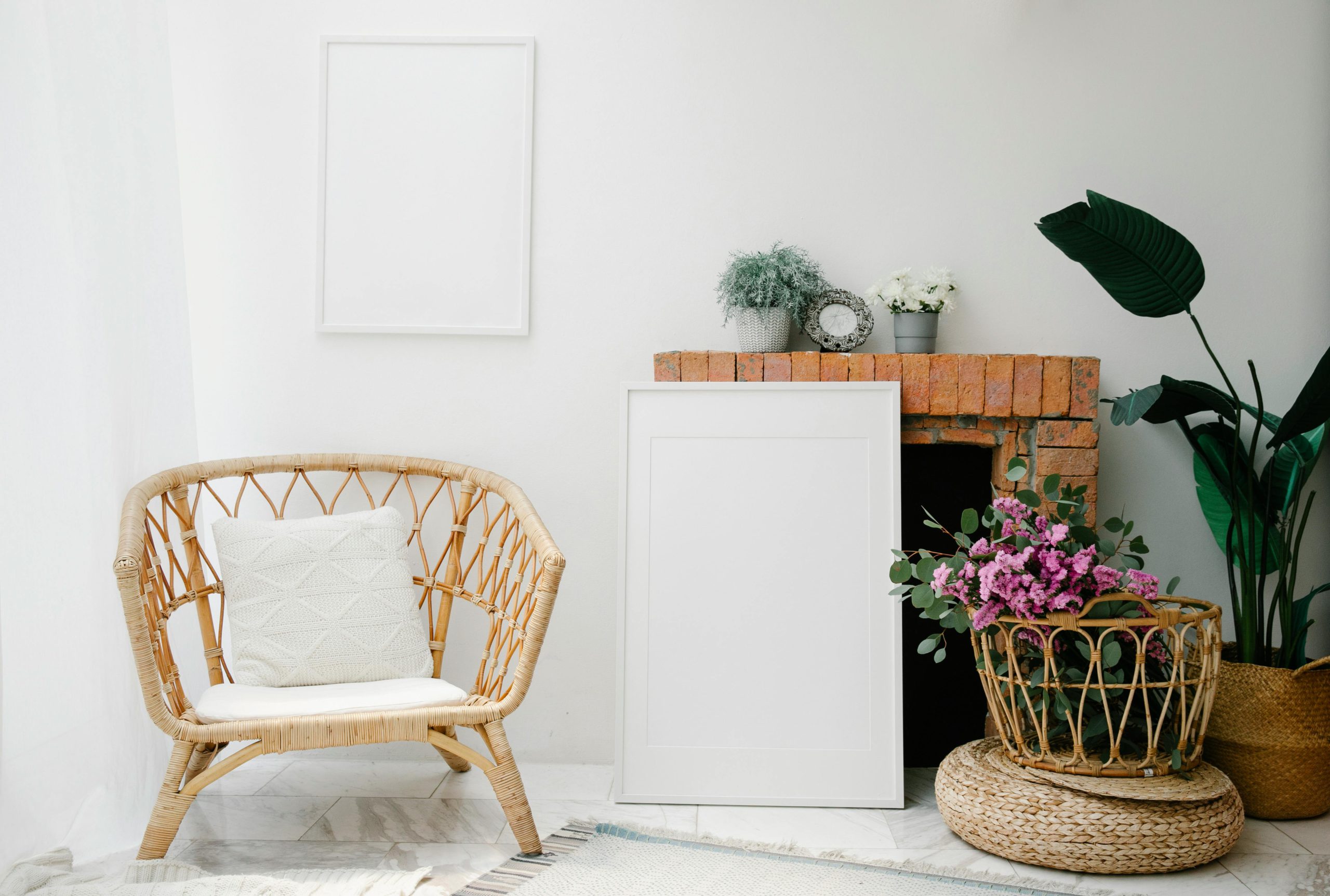
Wood is one of the most popular natural materials used in peaceful home design. Whether used for flooring, furniture, or decorative details, wood instantly adds warmth and character to a room.
Lighter woods can make spaces feel airy and calm, while darker tones create depth and coziness. Unlike synthetic materials, wood changes naturally over time, adding personality and authenticity to the home.
Wood also pairs well with almost every design style, making it a versatile choice for creating balanced and welcoming interiors.
Natural Fabrics Encourage Relaxation
Soft natural fabrics such as cotton, wool, and linen improve comfort while creating a more relaxed atmosphere. These materials feel breathable and comfortable, making living spaces feel less rigid and formal.
Natural fabrics also soften the appearance of a room. Curtains, cushions, rugs, and bedding made from organic materials help create a calm and inviting environment.
Many of the best Australian companies to work for now prioritize workplace wellness through interior design that includes natural materials and softer textures, demonstrating how environments influence wellbeing in both homes and professional spaces.
Stone And Earth Inspired Elements Add Stability
Stone surfaces and earth inspired finishes create a sense of grounding within a home. Natural stone countertops, clay pottery, and textured walls add depth and simplicity to interiors.
These materials often carry unique patterns and imperfections that make spaces feel authentic rather than manufactured. Their natural appearance helps create visual balance and encourages a slower, more peaceful atmosphere.
Stone and earthy finishes also work well alongside plants and wooden details, strengthening the connection between indoor spaces and nature.
Bringing Nature Indoors Through Plants
Indoor plants are one of the simplest ways to introduce natural elements into the home. Plants improve air quality, soften interiors, and add life to living spaces.
Different types of greenery can influence the mood of a room. Large leafy plants create freshness, while smaller herbs or flowers bring color and detail.
Design inspiration featured in Melbourne entertainment news sometimes highlights how modern apartments and urban homes increasingly incorporate indoor gardens and greenery to create healthier living environments.
Plants also encourage mindfulness by reminding people to care for and connect with living things.
Reducing Visual Clutter With Simplicity
Natural interiors often work best when paired with simplicity. Overcrowded rooms filled with unnecessary objects can feel stressful and chaotic.
Using fewer but more meaningful pieces allows natural materials to stand out. Clean layouts, open spaces, and practical furniture arrangements support peaceful living by reducing visual noise.
Simplicity does not mean emptiness. It means choosing items intentionally and creating space for comfort and functionality.

Natural Light Completes The Atmosphere
Natural materials become even more effective when combined with good lighting. Sunlight highlights textures, colors, and organic details in a way artificial lighting cannot fully replicate.
Large windows, light curtains, and reflective surfaces help maximize natural light and create brighter, calmer interiors.
People exploring things to do in Sydney often admire cafes, hotels, and public spaces that combine natural light with earthy interiors to create welcoming and relaxing environments.
A bright and naturally lit home feels more open, peaceful, and emotionally uplifting.
Sustainability And Conscious Living
Using natural materials also supports more sustainable living choices. Many natural materials are renewable, biodegradable, and environmentally friendly compared to synthetic alternatives.
As awareness around sustainability grows, people are becoming more conscious about how their homes affect both personal wellbeing and the environment.
Current urban Australia trends show increasing interest in eco friendly design, minimalism, and sustainable materials as part of a healthier and more balanced lifestyle.
This shift reflects a growing understanding that peaceful homes are often created through thoughtful and intentional choices.
Creating Emotional Connection Through Design
Natural materials help create emotional connection because they feel authentic and timeless. Unlike trends that quickly change, organic textures and earthy tones remain comforting and familiar.
Homes designed with natural materials often feel more personal because they focus on comfort and experience rather than perfection. They encourage people to slow down, relax, and enjoy their surroundings more fully.
This emotional comfort is one of the main reasons natural interiors continue to grow in popularity.
Conclusion
Using natural materials to create a more peaceful home is about more than decoration. It is about designing spaces that support emotional wellbeing, comfort, and balance in everyday life. Wood, stone, natural fabrics, plants, and sunlight all contribute to creating interiors that feel calm and welcoming. Combined with simplicity and thoughtful organization, these elements help transform homes into peaceful environments where people can truly relax. In a world filled with noise, stress, and constant stimulation, natural home design offers a meaningful way to reconnect with comfort, balance, and the calming influence of nature.