 Harry
Harry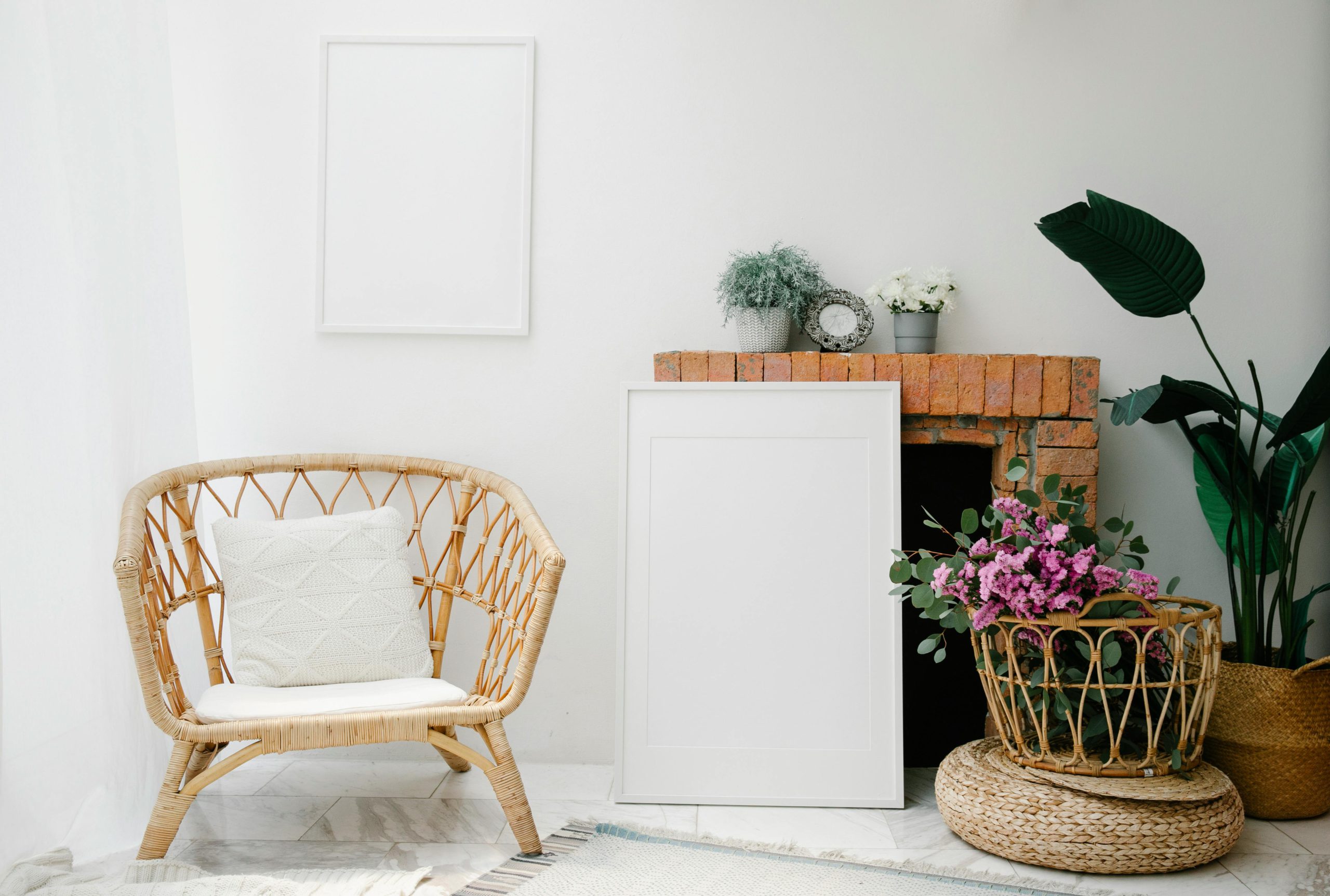
Empty corners are often overlooked in home interiors. Many people focus on large furniture pieces, wall colors, and decorative items while leaving corners unused or neglected. However, these small spaces can significantly influence the atmosphere and functionality of a room.
When thoughtfully designed, corners can add warmth, personality, and practicality to a living space. Instead of appearing unfinished or awkward, they can become inviting areas that reflect personal style and support daily living.
Creating Functional Spaces In Small Areas
One of the best ways to use empty corners is by giving them a practical purpose. Even the smallest corner can become a reading nook, workspace, or relaxation area with the right arrangement.
Adding a comfortable chair, a small table, or floating shelves can instantly transform an unused space into something functional. The key is to choose items that complement the room without overcrowding it.
Many interior ideas shared through business blog guest post content online emphasize how functional design can improve both comfort and organization within the home.
Using Lighting To Transform Corners
Lighting plays an important role in making corners feel welcoming. Dark and empty corners often make a room feel incomplete, while proper lighting creates warmth and depth.
Floor lamps, pendant lights, or soft accent lighting can instantly change the mood of a space. Warm lighting makes corners feel more inviting and visually connected to the rest of the room.
Natural light also enhances small spaces. Placing mirrors near windows can help reflect sunlight into corners, making them appear brighter and more open.
Adding Personality Through Decor
Decorative details help transform corners into personal and meaningful spaces. Plants, artwork, books, and decorative objects can reflect individual style while adding character to the room.
Instead of filling corners with random items, it is better to select pieces that create visual balance and emotional connection. A carefully chosen plant or framed photograph often has more impact than excessive decoration.
Creative inspiration can come from many sources, including articles shared through submit guest post business Australia platforms where design ideas and lifestyle trends are frequently discussed.
Bringing Nature Into Empty Spaces
Natural elements are one of the most effective ways to enhance empty corners. Indoor plants bring freshness, texture, and life into a room while improving the overall atmosphere.
Large plants can fill unused vertical space, while smaller plants work well on shelves or tables. Natural materials such as wood, woven baskets, and stone textures also help create a calming and balanced environment.
Nature inspired corners encourage relaxation and contribute to a more peaceful living space.
Multi Purpose Design For Modern Homes
Modern homes often require flexible and efficient use of space. Empty corners can be transformed into multi purpose areas that support different activities throughout the day.
For example, a corner workspace can double as a creative area or reading zone. Storage benches, foldable desks, and modular furniture help maximize functionality without taking up unnecessary room.
Interior trends discussed through submit guest post news content frequently highlight the growing demand for adaptable living spaces that combine practicality with style.
Making Corners Feel Intentional
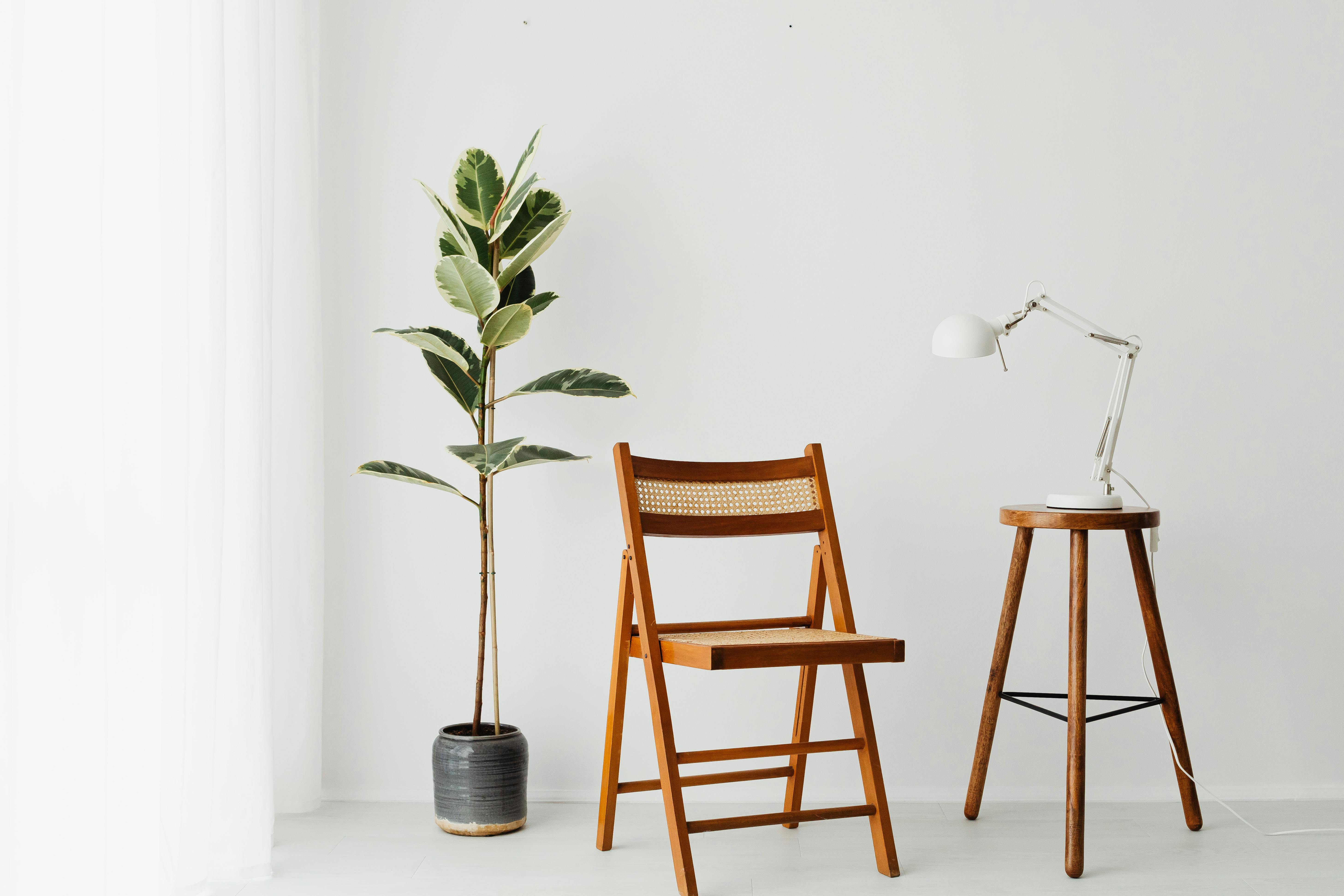
A well designed corner should feel intentional rather than accidental. Empty spaces sometimes appear unfinished because they lack visual purpose.
Adding layers through rugs, cushions, lighting, and textures creates a sense of completeness. Even a simple arrangement can make a room feel more balanced and thoughtfully designed.
The goal is not to overcrowd the area but to create harmony between the corner and the rest of the room.
Finding Inspiration From Design Communities
People often discover creative interior ideas by exploring online design communities and lifestyle resources. Platforms such as https://businessinsightsau.com.au regularly feature trends and insights related to modern living and home improvement.
These resources encourage individuals to think creatively about how they use their living spaces. Inspiration from different design styles can help homeowners personalize corners in ways that match their lifestyle and preferences.
The most effective designs are often those that combine inspiration with practical everyday needs.
Showcasing Personal Interests Through Design
Empty corners also provide opportunities to showcase personal interests and hobbies. A music corner, art display, or travel inspired arrangement can make a space feel more unique and expressive.
These personal touches help transform a house into a home by reflecting the identity of the people living there. Thoughtful design creates emotional connection and makes spaces feel more comfortable and authentic.
Interior concepts highlighted in business showcase Australia discussions often emphasize the importance of individuality in modern design trends.
Balancing Simplicity And Creativity
While decorating corners can be exciting, balance is important. Overdecorating small spaces can make rooms feel crowded and chaotic.
Simple arrangements with a few meaningful pieces often create the strongest impact. Neutral colors, clean lines, and practical furniture help maintain a calm and organized atmosphere.
Creativity works best when it enhances comfort and functionality rather than overwhelming the space.
Conclusion
Filling empty corners with purpose and personality is an effective way to improve both the appearance and functionality of a home. These small spaces have the potential to become meaningful parts of everyday living when designed thoughtfully. Through proper lighting, functional furniture, natural elements, and personal touches, empty corners can transform into inviting and practical areas that enhance comfort and style. Rather than leaving corners unused, homeowners can use them as opportunities to express creativity, improve organization, and create a more balanced living environment. Small changes in these overlooked spaces can make a surprisingly powerful difference in the overall atmosphere of a home.